

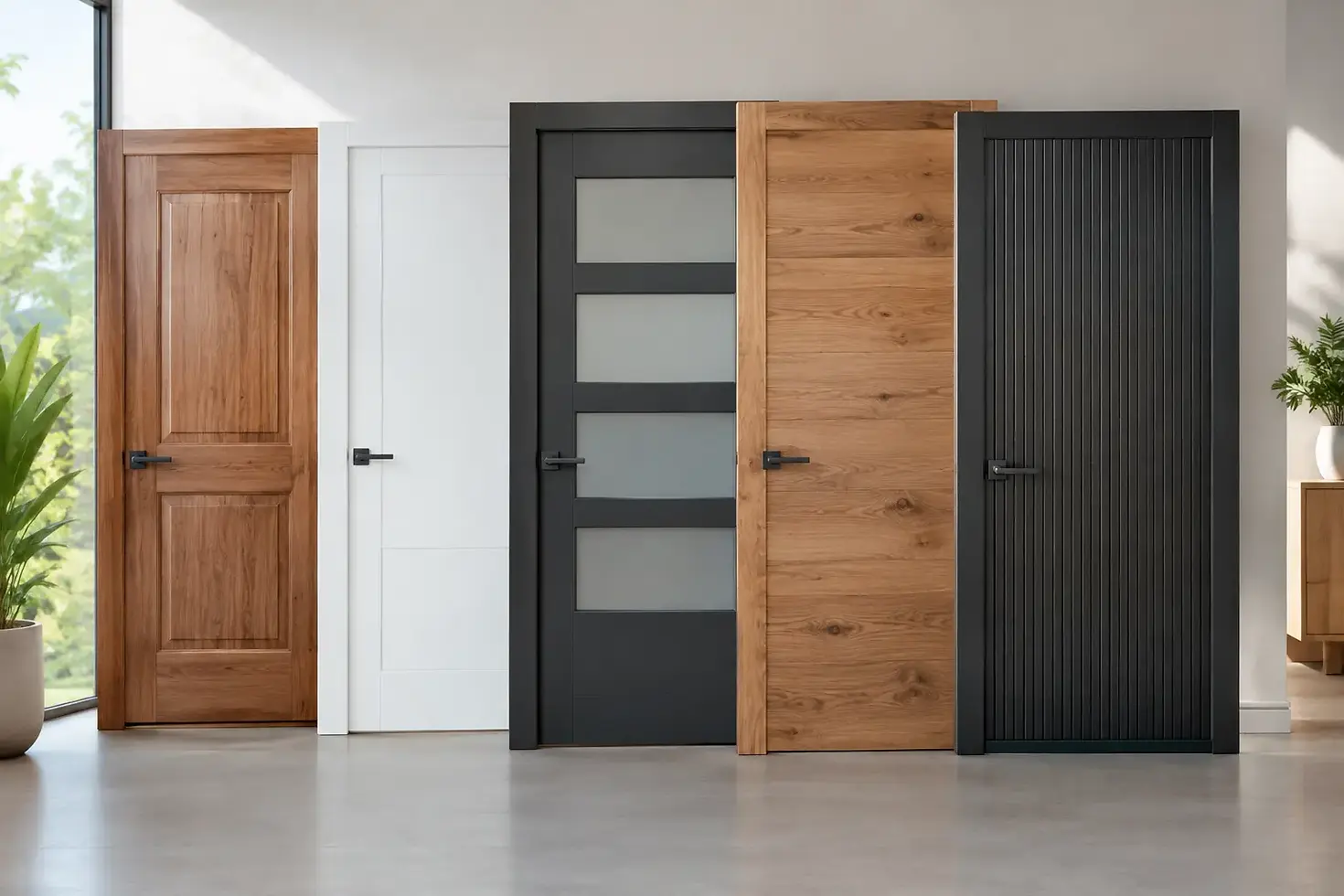
Door Materials: What Works Best for Your Home

A door that sticks in winter, lets in a cold draft, or shows swelling around the bottom is more than a small annoyance. It affects comfort, security, energy use, and the overall finish of your home. Choosing the right door materials helps prevent repeat repairs and makes sure the door fits the way your household actually lives.
For Buffalo Grove homeowners, the best choice often comes down to where the door will go, how much weather it faces, and the level of maintenance you are willing to take on. A front entry door has different demands than a bathroom, bedroom, basement, garage, or patio door. Material matters, but so do proper measurements, a solid frame, weatherstripping, and professional installation.
Door Materials for Exterior Doors
Exterior doors must handle rain, snow, temperature swings, direct sun, daily use, and attempted forced entry. They should also close tightly enough to protect the conditioned air inside your home. Wood, fiberglass, and steel are the most common choices, and each has a place.
Wood: Classic character with regular upkeep
A real wood door brings warmth and natural detail that other materials can imitate but not fully duplicate. It is a strong choice for homeowners who want a traditional front entry, custom stain color, detailed trim, or a door that complements a historic-style home. Wood can also be shaped and repaired more easily than some manufactured door options.
The trade-off is maintenance. Wood responds to moisture and changing temperatures. Without a dependable finish and proper overhang protection, it can expand, contract, crack, fade, or warp over time. An exposed south- or west-facing entry usually needs more attention than a sheltered porch door.
A quality wood door can perform very well when it is installed correctly, sealed on all sides, and maintained on schedule. It is not always the lowest-maintenance option, but it can be the right investment when appearance and craftsmanship are the priority.
Fiberglass: A practical choice for busy entryways
Fiberglass is a popular exterior door material because it provides a strong balance of durability, insulation, and design flexibility. Many fiberglass doors have a molded wood-grain texture that can be painted or stained. This allows homeowners to get a more traditional look without the same level of upkeep required by natural wood.
Fiberglass does not rot, and it is less likely to swell or warp in changing weather conditions. It is especially useful for a front door that receives heavy traffic, rain, snow, or direct sunlight. Insulated fiberglass units can also support better energy performance when paired with a properly fitted frame and quality weatherstripping.
The main consideration is product quality. Lower-grade fiberglass doors may feel lighter, offer fewer finish options, or have less convincing texture. A good installation also matters. Even an excellent door will not stop drafts if the opening is out of square or the threshold is not adjusted correctly.
Steel: Strong security and good value
Steel doors are a dependable option for front, side, utility, and garage-entry doors. They are valued for their strength, security, and cost-effective performance. Most modern steel doors include an insulated core, which can make them a practical choice for homeowners looking to improve comfort without moving into a higher-end custom door project.
Unlike wood, steel will not rot or warp. It is also resistant to cracking. However, the outer skin can dent if it takes a hard impact, and scratches need prompt touch-up to prevent rust. This is particularly important near the bottom of the door, where road salt, rain, and snow can collect.
Steel is often a smart fit for a less visible exterior entry or a project where security and budget are the main concerns. With clean hardware, proper trim, and a professional finish, it can also look sharp at a primary entrance.
Interior Door Materials and Where They Fit
Interior doors do not face outdoor weather, but they still affect privacy, noise control, room function, and the finished look of a remodel. Hollow-core, solid-core, and solid wood doors are common choices for residential interiors.
Hollow-core doors: Lightweight and economical
Hollow-core doors are commonly used in newer homes for bedrooms, closets, pantries, and other low-impact spaces. They are light, easy to operate, and generally the most budget-friendly option. They work well when the goal is to replace worn doors, update the style throughout the home, or complete a straightforward refresh.
Their limitation is sound control and durability. Hollow-core doors can feel less substantial and are easier to damage from impact. They are usually not the best choice for a home office, media room, bathroom, or any space where privacy matters more.
Solid-core doors: Better weight, sound, and everyday performance
Solid-core doors have an engineered composite core beneath their outer veneer or molded skin. They feel heavier than hollow-core doors and provide noticeably better sound reduction. For many homes, they offer the best middle ground between cost, durability, and a high-finish feel.
A solid-core door is a strong option for bedrooms, bathrooms, laundry rooms, home offices, and basement living areas. If you are finishing a basement or converting an attic, upgrading to solid-core doors can make the new space feel more private and complete. They also hold up well in active households with children, pets, and frequent use.
Solid wood doors: Premium detail for the right project
Solid wood interior doors add weight, natural grain, and a custom appearance. They are often used in higher-end remodels, traditional homes, and spaces where stained millwork is part of the design. They can be refinished and repaired over time, making them a long-lasting choice when properly cared for.
Like exterior wood doors, interior wood doors can react to humidity changes. Homes with seasonal dryness, moisture issues, or uneven heating and cooling may need careful installation and a controlled indoor environment to minimize movement. They are an excellent material, but they are not automatically necessary for every room.
Choose Door Materials Based on the Whole Opening
The door slab is only one part of the job. The frame, hinges, lockset, threshold, jamb, casing, and weather seal all determine whether the finished door works as intended. A new door installed into a damaged or poorly framed opening may still sag, scrape, leak air, or fail to latch properly.
Before choosing a material, consider how the door will be used. A main entry needs security, insulation, curb appeal, and weather resistance. A bathroom door needs privacy and dependable operation in a humid area. A basement door may benefit from sound control, especially if the area will be used for guests, work, or entertainment. A patio door must manage frequent traffic while keeping out wind and moisture.
Style should also match the home. A modern smooth-panel fiberglass door may look out of place on a home with traditional divided-light windows and detailed trim. On the other hand, a heavily grained wood-look door may not suit a clean, contemporary renovation. The best material is one that performs well and looks intentional with the siding, brick, paint colors, flooring, and interior trim already in place.
Installation Protects Your Investment
Proper door installation starts with accurate measurements and an honest assessment of the opening. Floors can settle, framing can shift, and older homes often have openings that are not perfectly square. Correcting those conditions before the door goes in is what helps prevent binding, uneven gaps, and latch problems later.
For exterior doors, professional installation includes flashing where needed, insulation around the frame, a correctly set threshold, reliable weatherstripping, and exterior caulking appropriate for the material. For interior doors, the focus is on plumb jambs, consistent reveals, secure hinges, smooth swing clearance, and clean casing work.
ALF Quality Remodeling Inc. can help homeowners handle the complete scope, from removing an old damaged door and repairing framing to installing trim, hardware, paint, and surrounding finishes. That one-stop-shop approach is especially useful when a door project uncovers drywall damage, rot, siding issues, or flooring adjustments that also need attention.
A well-chosen door should feel solid every time it closes, keep the weather where it belongs, and suit the home for years instead of one season. If your current door is drafty, damaged, outdated, or difficult to operate, a free estimate can help turn the problem into a clear, properly scoped plan.


Comments